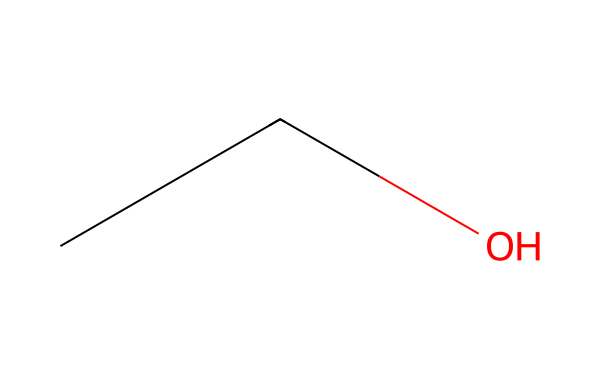
ALCOHOL
The cosmetic label entry associated with ethanol, a solvent used in various formats.
CAS 64-17-5Read entry ↗

Go beyond the front label. Explore ingredient names, discover their roles in a formula, and follow the evidence.
 A FIELD GUIDE TO WHAT GOES IN.
European Commission CosIng inventory snapshot
28 October 2026 · An evolving reference for India
24,520 source descriptions · 299 entries with scientific-opinion links · 1,609 entries with identity-matched EU annex conditions.
Source dossiers and visual references have been checked in bulk. A complete clinical evidence synthesis and India-specific regulatory assessment remain separate work.Helps a formula attract and retain water. The overall moisturising effect depends on the complete product.
02 / Soften the feelHelps improve the soft, smooth feel of skin.
03 / Help cleanseHelps lift and disperse oil and soil so they can be rinsed away. Cleansing strength depends on the blend and use conditions.
04 / Protect the formulaHelps limit microbial growth in a cosmetic formula. The finished preservative system needs to suit the product and its packaging.
30,388 matching records · Page 1 of 1267
Clear filters ↺The cosmetic label entry associated with ethanol, a solvent used in various formats.
A label name for denatured alcohol, used in a range of cosmetic product formats.
A familiar ingredient used in skin conditioning cosmetic formulas.
The cosmetic ingredient name for water, a common carrier and solvent in formulations.
An ingredient known as vitamin C, used in a range of cosmetic formulations.
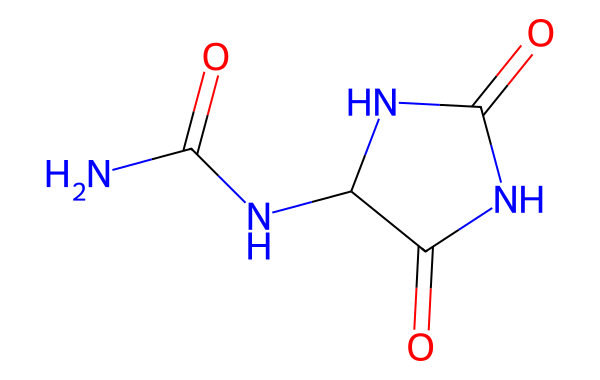
A vitamin-C-related derivative with its own cosmetic ingredient identity.
An ingredient also called trimethylglycine. Cosmetic uses include moisture retention and skin and hair conditioning.
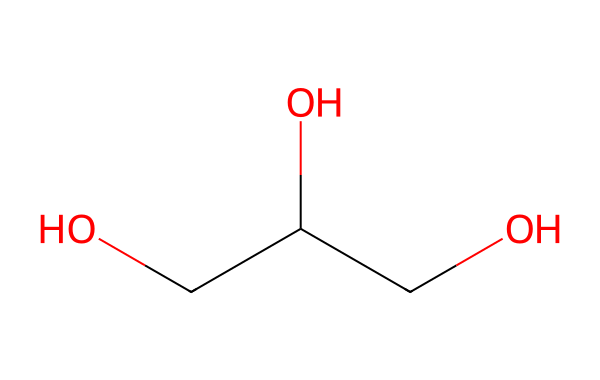
A multifunctional ingredient used for supporting roles such as carrying ingredients and managing moisture.
A polymer ingredient used to help build and control the texture of cosmetic formulas.
A specific ceramide ingredient name within a wider family of cosmetic lipids.
A fatty-alcohol ingredient used in many creams, lotions and conditioners.
A fatty alcohol used to influence formula texture and skin feel.
An ingredient used in formulation roles including management of the formula environment.
A surfactant ingredient used in many cleansing and foaming formulations.
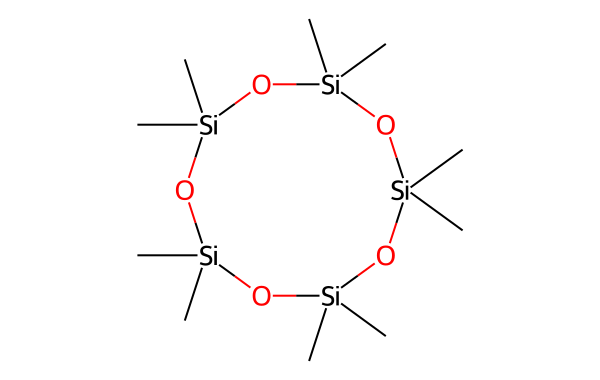
A cyclic silicone ingredient with a distinct source identity.
A silicone ingredient used for formula texture, slip and conditioning roles.
A chelating ingredient used to help manage metal ions within a formula.
A distinct paraben-family ingredient with its own source record.
A moisture-binding ingredient that also helps dissolve other ingredients in a formula.
An alpha-hydroxy-acid ingredient with roles that depend on the formulation.
A water-binding ingredient that belongs to a wider family of hyaluronic-acid-related label names.
A mineral clay ingredient used for texture, absorbency and other formula roles.
An alpha-hydroxy-acid ingredient used in different types of cosmetic formulas.
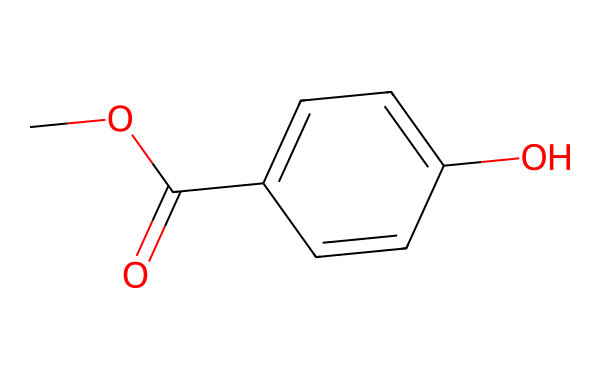
One specific member of the paraben ingredient family used in cosmetic preservation.
An ingredient name is a beginning. Concentration, exposure and the complete formula influence the finished product.
A name, source-recorded cosmetic functions and available CAS or EC identifiers from the European Commission CosIng inventory. Expanded explanations add original Beaut.in reading guidance. These are two different levels of coverage; counts are shown separately.
No. CosIng is an information database. Listing is not an authorisation, a safety verdict, or proof of suitability. We do not generate ingredient safety scores or infer an exact concentration from list order.
India-specific requirements belong to the Cosmetics Rules, 2020 and applicable standards. EU inventory information and US FDA guidance provide their own jurisdictional context. Individual Indian restrictions have not yet been mapped across this inventory.
Inventory snapshot: 28 October 2026. Only records marked Active by the source are included. Identifiers may describe multiple forms or mixtures. Source explanations are attributed; ingredient data is factual reference material. Expanded notes are original editorial text, not a completed independent clinical review.
European Commission · CosIng ↗
CDSCO · India cosmetics framework ↗
FDA · US cosmetics ingredient guidance ↗